


Call Us For Admissions 

+91 - 7818864419 +91 - 7818039239

OPD Calls / Patient Queries

+91 - 9286982270

Mail us for any query

sbbdcadmission@gmail.com

Our Blog

Safety, Hygiene & Trust – The Pillars of SBBDC Dental Services

When people look for dental treatment, they usually begin with a simple question: “Is this the right place for my dental care?” especially if it is a dental college. A dental college is not only an educational institution. It is also a clinical environment where students learn by working under professional supervision and where patients receive dental care.

At Shree Bankey Bihari Dental College & Research Centre (SBBDC), safety, hygiene and trust are the foundation while planning a dental treatment its patient. Located in the Delhi-NCR region, the institution combines dental education with clinical exposure, allowing students to understand that good dentistry is not simply about performing a procedure. It is about caring for the person sitting in the dental chair.

For patients, this means a greater focus on cleanliness, responsible clinical practices and communication. For students pursuing a BDS course 2026 or planning postgraduate dental education, it highlights an equally important lesson: technical knowledge and patient responsibility must go hand in hand.

Why Safety Matters in Dental Care

Dental treatment involves close contact between the dentist, patient and various instruments. Procedures may range from routine examinations and scaling to fillings, extractions, root canal treatments and surgical procedures. Maintaining appropriate safety practices is therefore essential.

A safe dental environment begins before the actual procedure.

Patient history, clinical examination, diagnosis and treatment planning are all important parts of responsible dental care. The dentist needs to understand the patient's dental condition and consider relevant medical information before deciding on treatment.

At a dental teaching institution, safety also has an educational dimension. Students must learn how clinical procedures are carried out correctly, how instruments are handled and how patient-care protocols are followed. Supervision by experienced faculty helps students develop these habits during their training.

This is one reason why prospective students should look beyond brochures when comparing the Best Dental Colleges in Delhi or the Best Dental Colleges in Delhi NCR. Infrastructure matters, but so does the quality of clinical learning and the environment in which students develop their professional skills.

Hygiene Is a Fundamental Part of Dentistry

Nobody wants to sit in a dental chair and wonder whether the surroundings or instruments are properly cleaned.

Hygiene is therefore not an additional feature of dental care. It is a basic requirement.

Dental clinics use a variety of instruments and equipment that come into contact with patients. Appropriate cleaning, disinfection and sterilisation practices are important for reducing the possibility of cross-contamination.

A responsible dental institution must create a system in which infection-control practices become part of everyday clinical work rather than something performed only when convenient.

Students also need to understand these principles from the beginning of their dental education. During their BDS training, they are not only learning how to diagnose oral conditions and perform dental procedures. They are also learning how to maintain a professional clinical environment.

This practical understanding becomes particularly valuable when students eventually enter private clinics, hospitals or academic institutions.

The Role of Sterilisation in Dental Services

Sterilisation is one of the most important components of dental infection control.

Dental instruments that are intended for reuse need to go through appropriate processing before being used again. Depending on the instrument and procedure, this can involve cleaning, packaging, sterilisation and proper storage.

For a patient, much of this process happens behind the scenes. They may not see every step involved in preparing an instrument. Nevertheless, these processes contribute significantly to the safety of dental treatment.

For dental students, observing and learning these protocols is equally important. Good clinical training should teach students that an instrument is not simply a tool for completing a procedure. Its handling before, during and after treatment is also part of professional responsibility.

Cleanliness Goes Beyond Instruments

Dental hygiene is not only about sterilized and clean dental instruments but a much wider area. Dental chairs, work surfaces, equipment, waiting areas and other frequently touched surfaces require regular attention. Personal protective equipment and appropriate hand hygiene also play an important role in maintaining a safe environment.

A clean and organised clinic can also make patients more comfortable.

For someone who is already nervous about visiting a dentist, an untidy or poorly maintained clinical environment can increase anxiety. On the other hand, a professional setting can help create a sense of reassurance.

This is particularly relevant for children, elderly patients and people who have avoided dental care because of fear or previous unpleasant experiences.

Trust Begins With Communication

A patient may forget the name of a dental instrument or the technical details of a procedure. What they are less likely to forget is how the dentist treated them.

Trust begins with communication. Before a procedure, the dental team should explain the problem, the proposed treatment and relevant alternatives in language the patient can understand.

For example, someone undergoing a dental procedure may want to know:

  • • Why is this treatment required?
  • • Are there alternative options?
  • • How long will the procedure take?
  • • Will it be painful?
  • • What should I expect after treatment?

Clear answers can make the treatment experience much less stressful.

For students, learning how to communicate with patients is an important part of becoming a responsible dental professional.

Why Clinical Exposure Matters for BDS Students

Students selecting a BDS course 2026 should consider how much opportunity they will receive to connect classroom learning with actual clinical situations.

Dental education involves subjects such as anatomy, physiology, pathology, pharmacology and dental materials. These provide the theoretical foundation required to understand oral health and disease.

However, dentistry is also a practical profession.

Students need exposure to patients and clinical cases to understand how theoretical knowledge is applied. They need to learn how to take patient histories, conduct examinations, interpret findings, prepare treatment plans and communicate with patients.

A dental college with an active clinical environment can provide opportunities for students to observe different types of dental problems and understand how treatment decisions are made.

At SBBDC, clinical exposure forms an important part of the learning environment. Students can learn under the guidance of faculty while developing their clinical skills and professional behaviour.

A Dental College Is Also a Healthcare Institution

One important point that students sometimes overlook while comparing dental colleges is the connection between education and patient care.

A dental college is not simply a place where lectures are conducted. Its clinical departments provide an environment where students see real patients and understand the practical side of dentistry.

This creates a two-way learning environment.

Patients receive dental care, while students learn from real clinical situations under supervision.

This is particularly important for postgraduate education. Students considering MDS need exposure to a broader range of cases and should understand how their chosen speciality functions in a real clinical environment.

Choosing a Dental College: What Should Students Look For?

Searches such as “Best Dental Colleges in Delhi NCR”, “Top Dental College in Ghaziabad” and even “Top 10 Dental Colleges in India for MDS” are common among students and parents.

However, search rankings alone should not determine an admission decision.

Students should evaluate several practical factors:

1. Academic Environment

Look at the teaching faculty, curriculum, academic schedule, laboratories and learning resources.

2. Clinical Exposure

Find out whether students have meaningful opportunities to interact with patients and observe or perform procedures under appropriate supervision.

3. Infrastructure

Dental education requires specialised laboratories, clinical departments, equipment and other facilities.

4. Faculty Support

Experienced and approachable faculty can make a significant difference in a student's learning experience.

5. Hygiene and Safety

Students should understand the institution's approach to infection control, sterilisation and clinical safety.

6. Patient Footfall

A functioning clinical environment gives students opportunities to encounter different types of dental conditions.

7. Hostel and Campus Facilities

For students relocating from another city, accommodation, food, security, connectivity and recreational facilities also matter.

8. Recognition and Academic Approvals

Students should verify the current regulatory status and applicable approvals before taking admission.

Why Location Matters for Dental Students

The location of a college can influence the overall student experience.

A dental college situated in the Delhi-NCR region can provide accessibility to students from Delhi, Uttar Pradesh, Haryana and neigh bouring areas.

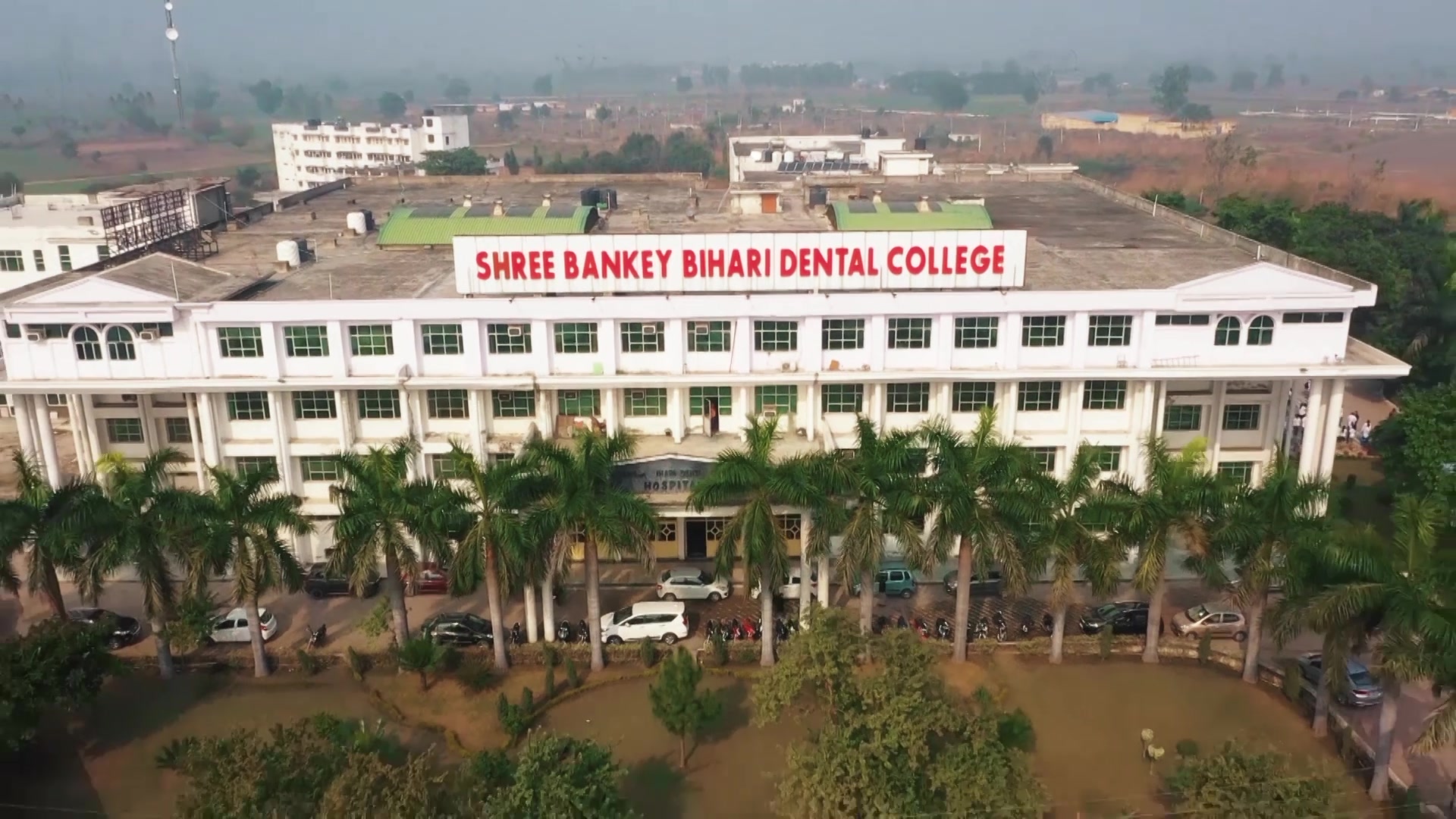
SBBDC is located on NH-24 near Masuri Canal in Ghaziabad, providing connectivity within the Delhi-NCR region.

For students comparing the Best Dental Colleges in Delhi NCR, location should therefore be considered alongside academics, clinical training, infrastructure and student facilities.

Building Confidence Through Practical Learning

Confidence in dentistry does not develop overnight.

A student may understand a procedure perfectly from a textbook and still feel uncertain when encountering a real patient for the first time.

Repeated clinical exposure, faculty guidance and interaction with patients gradually help students become more comfortable.

This is why the clinical environment of a dental college matters.

Students learn not only what to do, but also how to interact with patients, how to approach a clinical problem and how to remain careful while performing procedures.

Over time, these experiences contribute to professional confidence.

Patient Trust Is Built Through Small Things

Trust is not created through advertising alone.

It develops through everyday experiences.

A patient who is greeted respectfully, given clear information, treated in a clean environment and allowed to ask questions is more likely to feel comfortable.

Similarly, students who see their faculty priority sing patient safety and ethical clinical practices learn that these values are part of dentistry itself.

This is why safety, hygiene and trust should not be treated as separate concepts.

They are connected.

Safety creates confidence. Hygiene supports safety. Communication creates trust. Together, they contribute to better patient care.

SBBDC: Learning Dentistry With Responsibility

For students exploring dental education, the choice of college can influence their academic and professional journey. The institution offers both UG and PG specialities and has facilities for dental education and clinical training for postgraduate programmes across multiple dental specialities.

For someone looking at the Top Dental College in Ghaziabad or exploring options among dental institutions in Delhi NCR, it is worth visiting the campus, understanding the academic structure, seeing the clinical facilities and speaking with the admission team before making a decision.

Similarly, students interested in MDS should examine the speciality-specific clinical exposure, faculty support, infrastructure and learning opportunities rather than relying only on online lists labeled “Top 10 Dental Colleges in India for MDS.”

The right college is ultimately one where a student can build knowledge, practical skills and professional responsibility.

Dental Care Is About People, Not Just Procedures

Modern dentistry has access to advanced equipment and treatment techniques, but technology alone cannot create a good patient experience.

A successful dental service combines knowledge, clinical skill, hygiene, safety and human understanding.

The person sitting in the dental chair may be anxious, uncomfortable or worried about the cost and outcome of treatment. A good dental team recognises these concerns and communicates with the patient respectfully.

This patient-centred approach is also something dental students should learn during their education.

At SBBDC, the emphasis on clinical learning provides students with an opportunity to understand this relationship between dental education and patient care.

Ultimately, dentistry is a profession built on trust.

Patients trust dentists with their health. Students trust their teachers to guide them. Institutions have a responsibility to create an environment where both relationships are supported by professional standards.

That is why safety, hygiene and trust are not simply pillars of dental services they are foundations of responsible dental education as well.

Final Thoughts

Choosing a dental college or dental care provider is an important decision. Whether you are a patient looking for dependable dental treatment or a student searching for a BDS course 2026, the fundamentals remain similar: safety, hygiene, clinical competence and trust matter.
For students exploring dental education in the region, SBBDC can be considered as part of their research into Best Dental Colleges in Delhi NCR and dental colleges in Ghaziabad. The most informed choice is one made after checking current information, visiting the institution where possible and understanding what the college offers both inside and outside the classroom.

FAQs

Q1.Why are safety and hygiene important in dental treatment?

Dental treatment involves close contact between patients, dental professionals and instruments. Proper hygiene, sterilisation, disinfection and infection-control practices help reduce the risk of cross-contamination and support a safer clinical environment.

Q2. . What should students consider when choosing a BDS course in 2026?

Students should consider the institution's recognition and approvals, faculty, clinical exposure, infrastructure, laboratories, patient exposure, hostel facilities, location and overall academic environment. They should also verify the latest admission requirements before applying.

Q3. How important is clinical exposure during BDS?

Clinical exposure is an important part of dental education because it allows students to connect theoretical knowledge with real patient situations. It also helps students develop examination, diagnosis, treatment-planning and communication skills under appropriate supervision.

Q4. Why should I consider a dental college in Delhi NCR?

Delhi NCR has strong connectivity with several neigh bouring regions, making it accessible to students from different parts of North India. However, location should be considered alongside academic quality, clinical training, infrastructure, faculty and student facilities.

Q5. Is SBBDC suitable for students looking for a BDS course in 2026?

Students considering SBBDC should review the current admission eligibility, applicable regulatory requirements, fee structure, available seats, academic facilities and clinical training opportunities before taking a decision. A campus visit can also help students understand the learning environment better.

Q6. What should I check before choosing an MDS college?

MDS aspirants should look at the specific speciality, faculty expertise, clinical case exposure, patient volume, departmental infrastructure, laboratories, research opportunities and learning environment. It is also important to verify current recognition and admission requirements.

Q7. Are online rankings enough to identify the best dental college?

No single online ranking can capture every factor that matters to an individual student. Terms such as “Best Dental Colleges in Delhi” or “Top 10 Dental Colleges in India for MDS” can be useful starting points for research, but students should independently compare academic, clinical, infrastructure and regulatory factors.

Q8. How can patients feel more comfortable before dental treatment?

Patients can ask the dentist to explain the diagnosis, proposed treatment, expected duration, possible discomfort and after-care instructions. Sharing relevant medical information and discussing concerns openly can also help the dental team provide appropriate care.